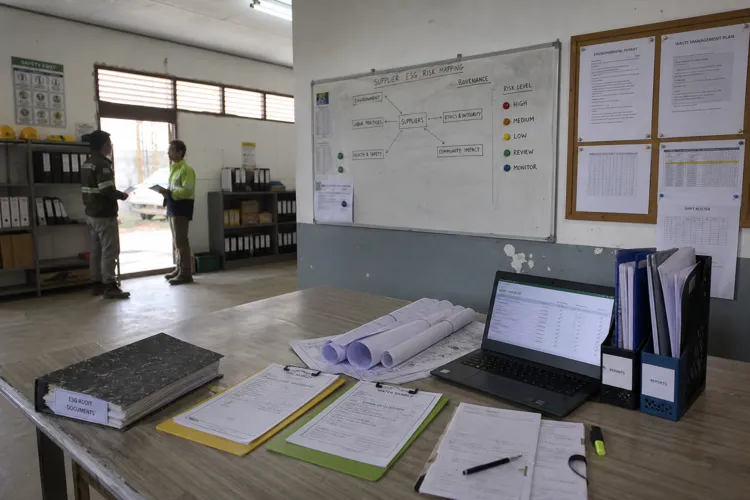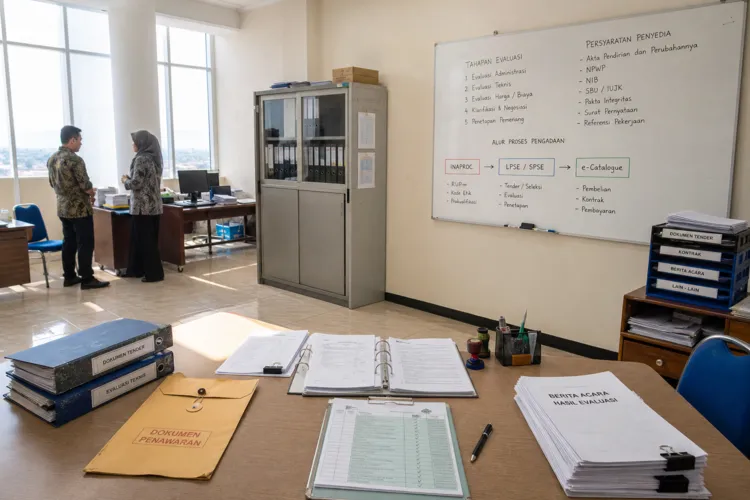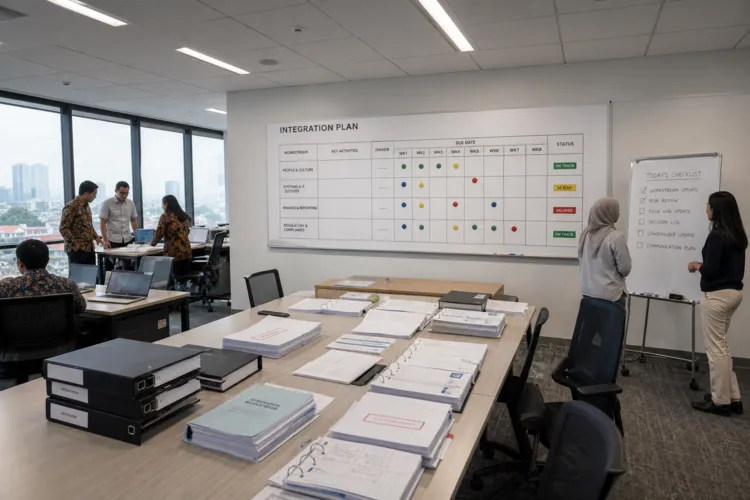
Indonesia’s fiscal stance is moving toward tighter oversight and more active management at the same time. RSIS notes that Finance Minister Purbaya Yudhi Sadewa signaled a shift toward “credit injections, tighter spending oversight and quick-win interventions.” That matters for procurement markets because oversight changes how contracts are approved, monitored, and paid. In late September, Purbaya launched spot audits across 20 provinces to check whether the Free Nutritious Meals program was meeting intended outcomes. He also warned that ministries failing to spend efficiently could see funds reallocated to flagship welfare programs. For vendors, this increases execution risk if deliverables, documentation, or performance evidence are weak.
The government’s efficiency push is not only about trimming lines. It is also about moving money and changing where liquidity sits. RSIS reports that in Purbaya’s first weeks, about US$12 billion in idle government funds was shifted from the central bank to state-owned commercial banks, aimed at stimulating credit growth. This can ripple into supplier markets through working-capital conditions and the availability of bank financing linked to public-sector projects. Meanwhile, an IMF statement expects growth to remain steady at 5.0% in 2025 and 5.1% in 2026, reflecting support from fiscal and monetary policies. In practice, suppliers must plan for a procurement environment that can be both disciplined and still geared toward sustaining activity.
Where Cuts and Refocusing Hit Vendor Demand First
The clearest “Indonesia government spending cuts impact” signal for markets comes from the scale and framing of the efficiency policy. A 2026 Economina paper describes contractionary fiscal policy through government budget cuts mandated by Presidential Instruction Number 1 of 2025, with a spending efficiency value of Rp306.69 trillion. Even when projects continue, a pruning approach tends to reorder demand. ANTARA reports that the government plans to keep efficiency and refocusing in 2027 so allocations become “more productive” and “better targeted.” That pushes vendors to align offerings with priority outcomes, because slower-moving or weakly justified spending faces higher reallocation risk.
For suppliers selling into social and regional programs, targeting systems and coordination requirements can change the procurement playbook. ANTARA says the government will gradually promote more targeted and equitable social assistance and subsidy programs using the National Socioeconomic Single Data system (DTSEN). It also highlights reinforced coordination among ministries and agencies so interventions are “more integrated” and “complementary.” Vendors can expect more emphasis on traceability, beneficiary targeting, and cross-agency reporting. ANTARA also lists programs strengthened in regions, including the Free Nutritious Meals program, Red and White village and urban cooperatives, Sekolah Rakyat (People’s Schools), and free health screening programs—each with distinct supplier categories and compliance demands.
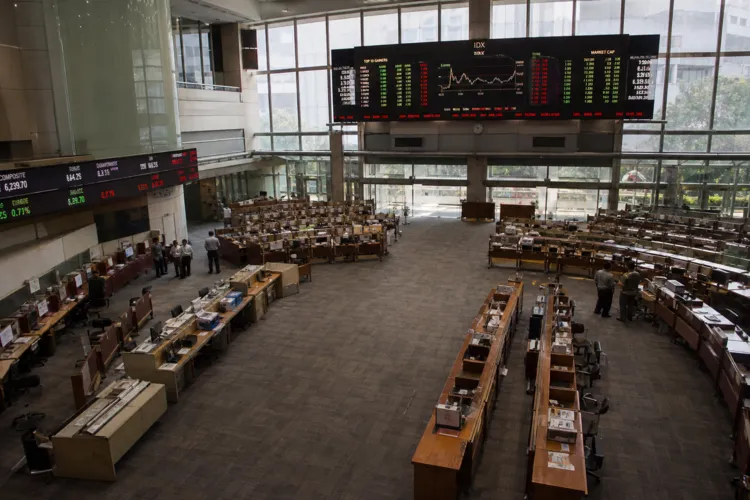
Efficiency is also being framed as a macro-stability tool, which can influence how markets price risk. The Economina study notes that budget cuts “have the potential to influence investor expectations and the stability” of Indonesia’s capital market. Wikipedia’s Indonesia economy page also describes how fiscal policy concerns have been linked to rupiah volatility, and notes Bank Indonesia’s benchmark rate at 5.75% in March and a cut to 5.50% by May as the rupiah stabilized and had appreciated over 3% from April lows (as presented there). For vendors, the practical takeaway is that tender timing, cashflow planning, and financing terms may become more sensitive to policy signals, audits, and reallocation decisions than in a purely expansionary cycle.
What is driving Indonesia’s current fiscal efficiency push?
How large is the efficiency value tied to the 2025 pruning policy?
How does the Indonesia government spending cuts impact show up for vendors and suppliers?
Which programs could still create demand for suppliers during efficiency measures?
What macro signals matter for supplier planning in this cycle?