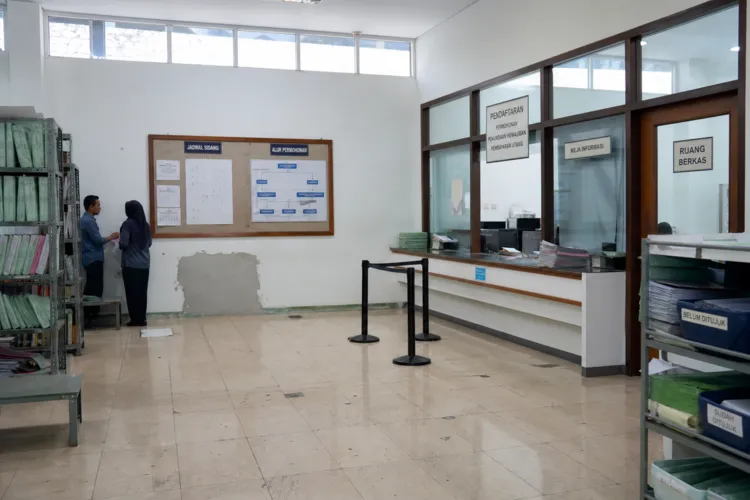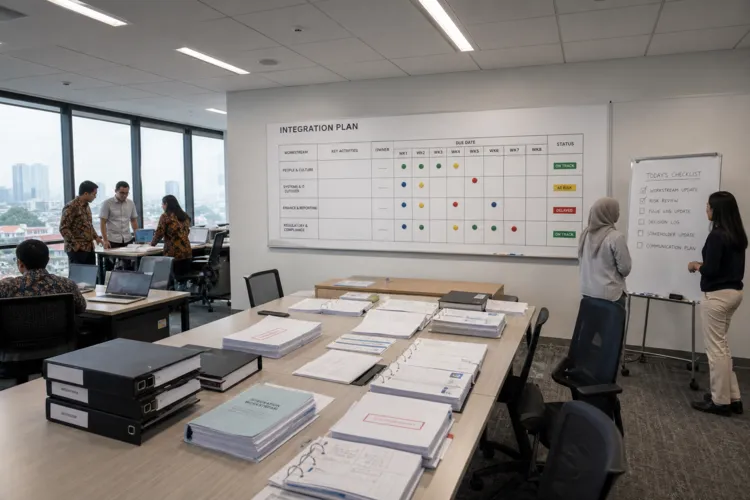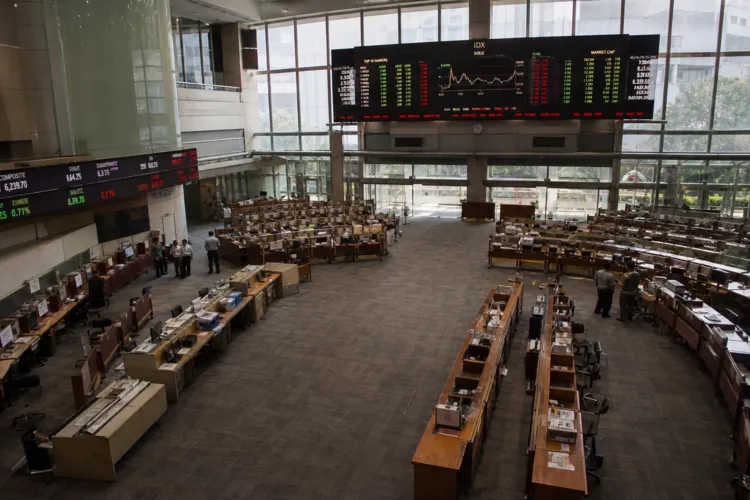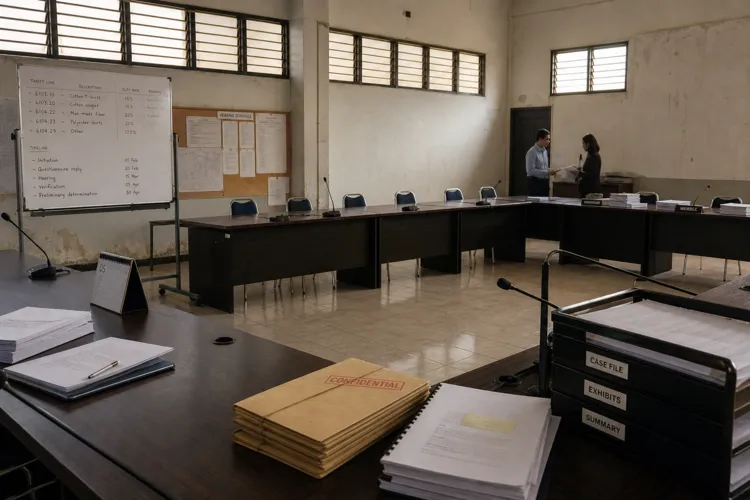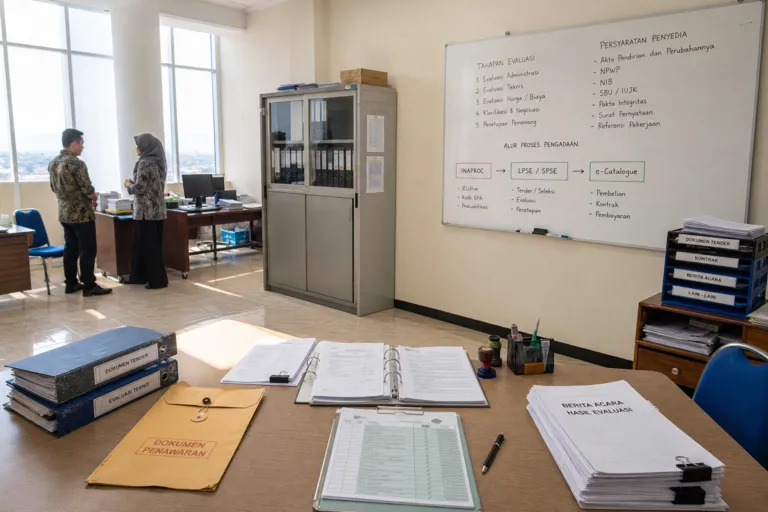
Indonesia’s national public procurement system is managed by LKPP (Lembaga Kebijakan Pengadaan Barang/Jasa Pemerintah). LKPP oversees procurement regulations and maintains key platforms, including SPSE for e-tendering and the e-Catalogue for e-purchasing that lets registered vendors offer goods and services directly to government agencies. For most foreign firms, the first operational reality is local presence. Entry into the e-Catalogue requires the vendor to be a locally registered Indonesian entity, and many overseas companies work through a local agent, distributor, or representative to navigate procedures, compliance, and relationship-building with buyers.
Do not treat “Indonesia government procurement” as one website. The system is decentralized across LPSE portals (Electronic Procurement Service offices), which are the transactional platforms where tenders are published and bids are submitted. As of 2026, there are over 600 active LPSE portals across the archipelago. INAPROC (inaproc.id), managed by LKPP, aggregates and indexes data from this network into a searchable gateway, but you still must go to the originating LPSE portal to bid. This structure reflects Indonesia’s administrative map: 34 provinces, 416 kabupaten (regencies), and 98 kota (cities), each with its own procurement unit and potentially its own LPSE instance.
Choose the Right Route: Catalogue, Direct Purchase, or Tender
Winning starts with picking the correct procurement route before you invest time and budget. LKPP regulates five main methods: e-purchasing via the national e-Catalogue, direct purchase for low-value needs, direct appointment for urgent or specialized requirements, limited tenders for select vendors, and open tenders for competitive bids. For technology vendors, an opportunity found in INAPROC or in the catalogue is only a starting point. You still need to confirm eligibility requirements for that specific procurement, because an e-Catalogue listing is not the same as eligibility for every purchase and registration on SPSE does not mean every opportunity is open.
Regulatory context also matters because rules have been updated. The primary public procurement regulation is Presidential Regulation No. 16 of 2018, amended by Presidential Regulation No. 12 of 2021 and most recently by Presidential Regulation No. 46 of 2025, which took effect on 30 April 2025. In parallel, operational requirements can include supplier registration checks, TKDN local-content obligations, documentation and language requirements, tax and import arrangements, and cybersecurity and data rules for certain technology scopes. For regulated goods, product readiness can be a gating factor: medicines, medical equipment, and food-related items must be registered with authorities such as BPOM or the Ministry of Health to be eligible for inclusion in public procurement processes.
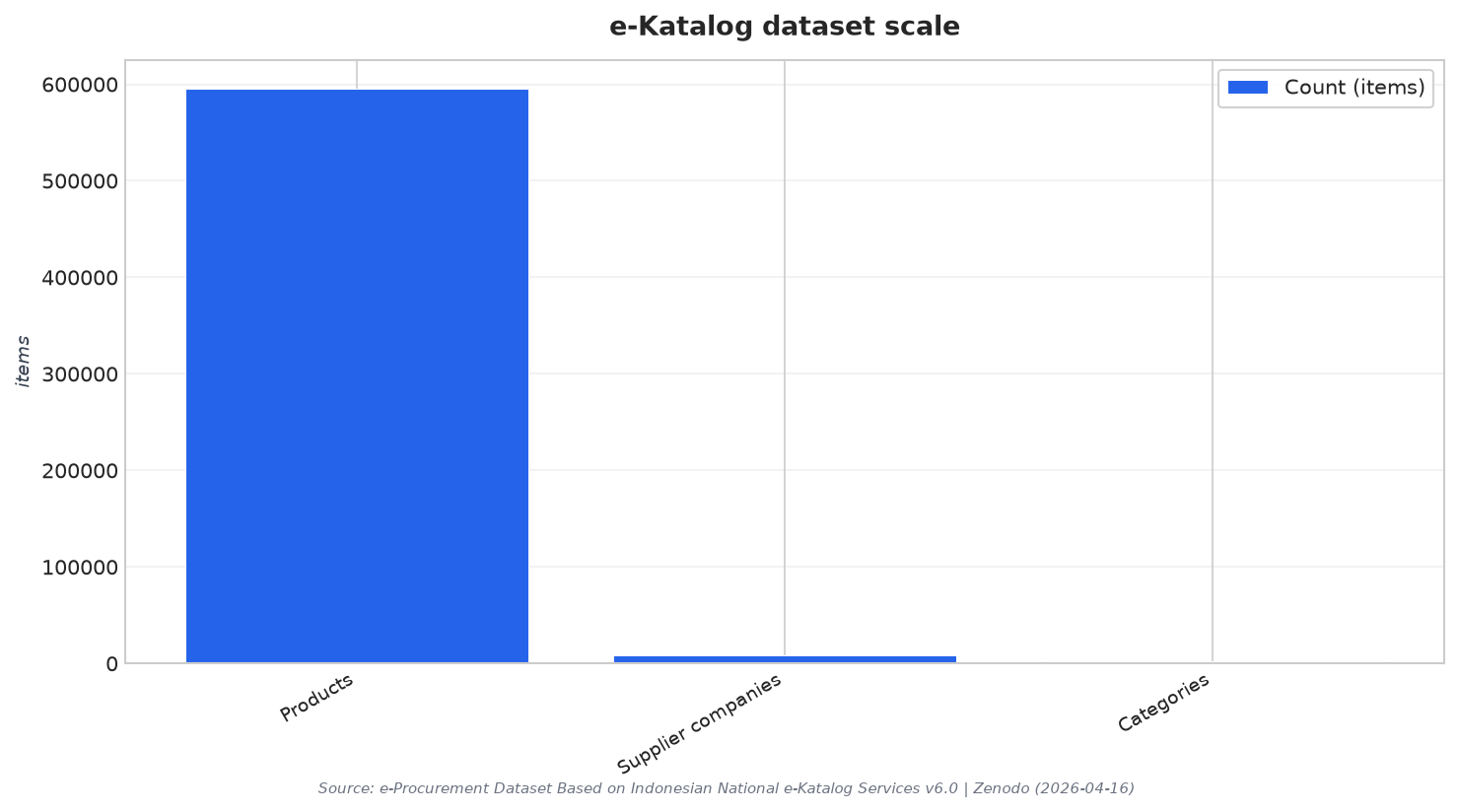
Once you understand the route, build your targeting and pricing strategy with the ecosystem’s scale and data in mind. One source describes Indonesia as the largest government procurement market in ASEAN by absolute spend, at over IDR 1,000 trillion (approximately USD 65 billion) annually, while also emphasizing fragmentation across hundreds of portals. On the catalogue side, research datasets based on the national e-Katalog services v6.0 describe a table of 595,497 products, 8,094 supplier companies, and 2,494 categories. That kind of structure supports practical benchmarking and category mapping when you plan a listing, validate positioning, and decide which agencies and regions to pursue as you work toward selling to Indonesian government e-Katalog channels.
What is LKPP’s role in Indonesia’s public procurement system?
If I find a tender in INAPROC, where do I actually submit a bid?
How many LPSE portals operate across Indonesia?
What are the main procurement methods regulated by LKPP?
What should I know before selling to Indonesian government e-Katalog channels?