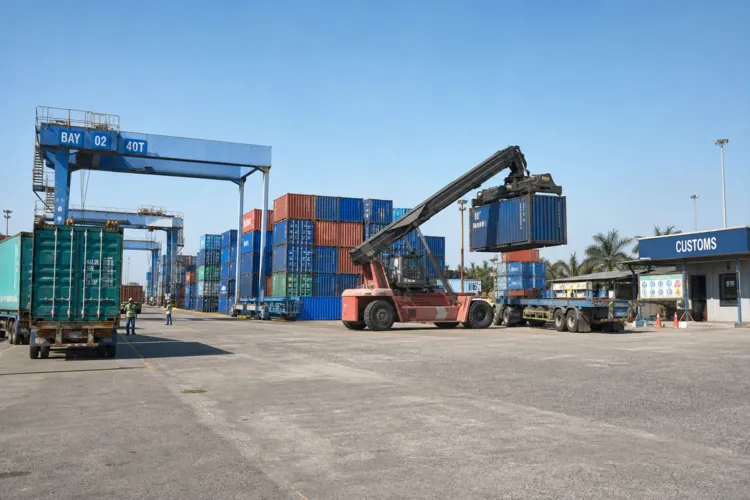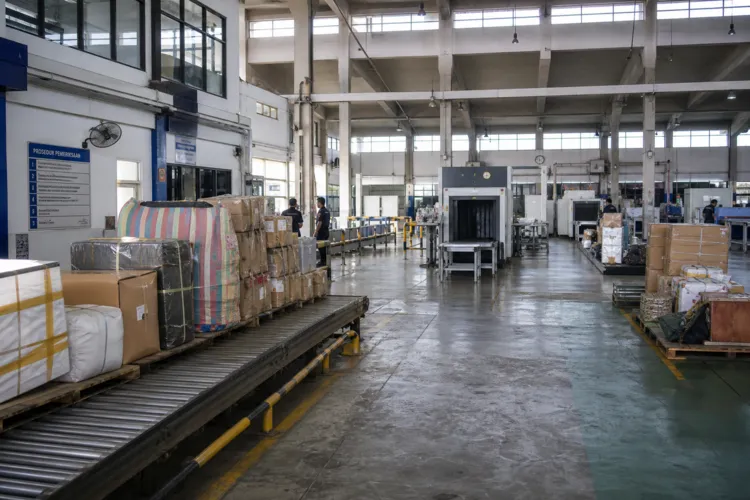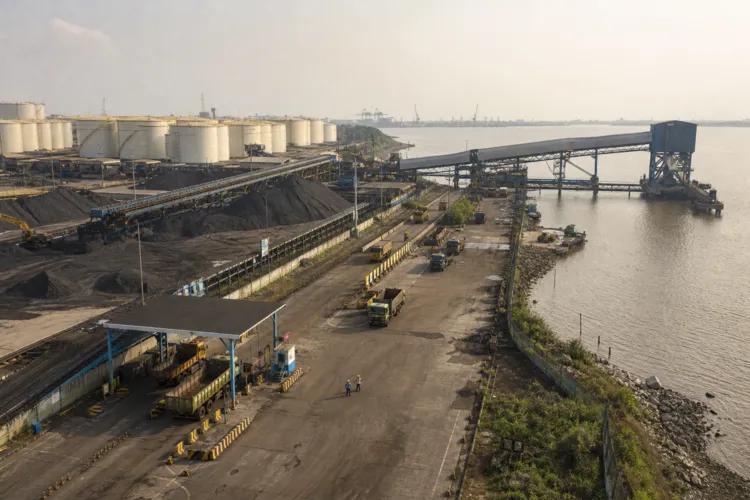
Importers into Indonesia operate in a tariff environment that is “complex but manageable,” built on the Harmonized System (HS) classification structure and shaped by both revenue and industrial policy goals. Tariffs are described as taxes on imported goods used to regulate imports and protect domestic industries, and they sit alongside other barriers that affect market access. For day-to-day execution, the Indonesia National Single Window (INSW) is positioned as a practical tool to check specific tariff rates and regulations. This baseline matters because trade remedies can arrive on top of ordinary duties, changing the economics of a shipment and the risk profile of a product line.
Indonesia’s anti-dumping framework is rooted in Government Regulation Number 34 of 2011 on Anti-Dumping Measures, Countervailing Measures, and Trade Safeguard Measures. The regulation is described as the current “procedural bedrock,” including requirements for determining dumping margins, assessing material injury, and establishing a causal relationship between the two. It also provides the legal basis for the Indonesian Anti-Dumping Committee (KADI) to conduct investigations and recommend Anti-Dumping Import Duties (BMAD) to the Minister of Finance. For importers, this means exposure is not limited to tariff schedules; it can also hinge on investigative findings and whether KADI concludes both injury and causation for a specific product scope.
Why Safeguards and Anti-Dumping Are Rising on the Compliance Agenda
Recent external reporting underscores how visible Indonesia has become in the safeguard space. A Council of the European Union document states that the most frequent users of safeguards are Indonesia and Madagascar, with 10 measures in force each, followed by Turkey with 8. The same document notes that the measures by Indonesia and Madagascar have less impact on EU exports, while Turkey’s measures have a significant impact and concern mainly steel, textiles, and paper sectors. For importers, the takeaway is operational: safeguards can be broad and fast-moving, and the existence of multiple measures in force suggests more product categories may face extra duties, quotas, or heightened scrutiny over time.
Sector dynamics can also intensify trade remedy attention. Research on Indonesia’s trade policy during the COVID-19 period highlights the imposition of BMAD on Hot Rolled Coil of Other Alloy (HRC Alloy) products imported from China. The same paper states that in the first half of 2021, steel imports increased by 16% compared to the same period in the previous year. Even without quoting duty rates for that case, the sequence is instructive for importers: when import volumes rebound sharply, domestic injury claims and investigations can follow. That can change contract terms, pricing, and the feasibility of relying on a single country source for sensitive products.
Trade remedies are also a two-way street, and global actions can shape how Indonesian suppliers and Indonesia-focused importers think about risk. In the United States, preliminary anti-dumping duties on solar imports cite calculated dumping margins of 123.04% for India, 35.17% for Indonesia, and 22.46% for Laos, with cash deposit requirements taking immediate effect while determinations remain provisional. The same report states that government figures indicate India, Indonesia, and Laos supplied $4.5 billion of solar imports in 2025, representing approximately two-thirds of such U.S. imports, and that final rulings for India and Indonesia were set for July 13, 2026. For importers, the practical lesson is to track investigations across markets: when trade defense intensifies globally, documentation, origin strategy, and scope interpretation become more consequential at home as well.
What is the legal basis for anti-dumping and safeguard action in Indonesia?
How common are safeguard measures involving Indonesia?
How can Indonesia anti-dumping safeguard duties affect importers’ landed cost planning?
What example shows how changing import levels can coincide with trade remedy action?
Why should Indonesia-focused importers watch trade defense actions outside Indonesia?