Indonesia and Canada signed their Comprehensive Economic Partnership Agreement (CEPA) in September 2025 after concluding negotiations in December 2024, and both governments expect ratification in 2026 before it takes effect. It is described as Indonesia’s first trade pact with a North American country and Canada’s first with an ASEAN Member State. The commercial starting point is meaningful but still developing. In 2024, two-way trade was reported at approximately CAD 5.6 billion (US$4.1 billion), with Canadian exports at CAD 2.3 billion (US$1.7 billion) and imports from Indonesia around CAD 3.2 billion (US$2.4 billion). Another Canadian government assessment reported 2024 bilateral trade in goods and services totaling $6.7 billion, including $3.2 billion in exports and $3.5 billion in imports.
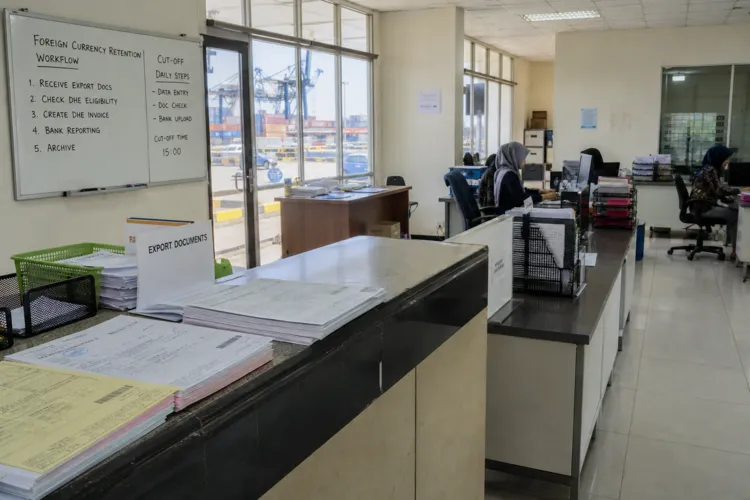
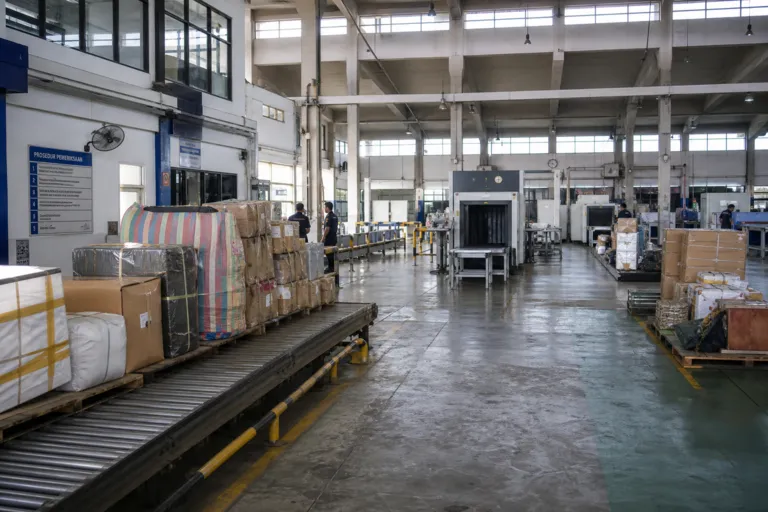
For goods trade, the agreement’s value is in tariff certainty and reduced border friction. One assessment says that once fully implemented, Indonesia will eliminate or reduce duties on 85.9% of its tariff lines, representing 97% of existing trade from Canada, while Canada will eliminate duties on 90.5% of its tariff lines, representing 92% of existing trade from Indonesia. Another source describes the Canada-side outcome as eliminating 90.5% of tariffs on Indonesian goods entering Canada, and that over 95% of Canadian exports to Indonesia will face reduced or zero tariffs. For companies prioritizing Indonesia Canada CEPA opportunities, the practical message is that market-access gains are paired with systems changes: customs administration is expected to shift to electronic documentation and risk-based inspection to support faster clearance and more predictable outcomes.
Sector Opportunities: Agri-Food, Supply Chains, and Services Readiness
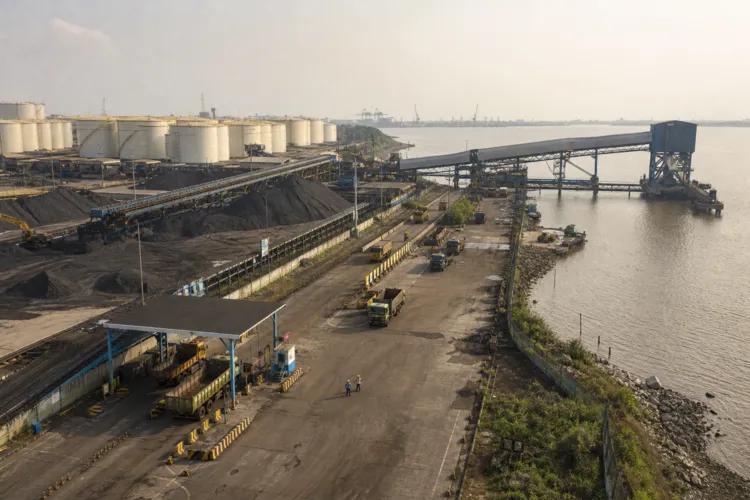
Agri-food and resource-linked trade shows up repeatedly as an early beneficiary area. Commentary on current trade patterns notes Canadian exports led by cereals, fertilizers, pulp and machinery, with imports including electronics, apparel, rubber products and processed foods. Other guidance points to improved competitiveness for goods such as wheat, potash, wood, and soybeans as tariffs move toward reduced or zero levels once the CEPA is fully implemented. Beyond tariffs, the agreement addresses non-tariff barriers through provisions on sanitary and phytosanitary measures, technical barriers to trade, and good regulatory practices. It also establishes working institutions, including joint committees on SPS, critical minerals co-operation and regulatory best practices, aimed at reducing “hassle costs” and improving predictability for exporters and buyers.
Investors and service providers also gain from a more structured rulebook. The investment chapter is described as guaranteeing standard protections for foreign investors and ensuring fair treatment under Indonesian regulations, while noting foreign ownership remains restricted in certain sectors and licensing continues under the Online Single Submission system known as OSS-RBA, which must apply equal treatment to Canadian investors. The services chapter covers professional, financial, logistics, and digital activities and includes commitments to facilitate data transfer and professional mobility. The CEPA also introduces modern rules of origin that allow accumulation within ASEAN supply chains, with thresholds differing by product and further implementation guidance to follow.
Mining and energy transition themes are positioned as a bridge between Indonesian industrial policy and Canadian capital and technology. “Early opportunities” are identified in critical mineral processing, renewable energy, agribusiness, manufacturing, and digital services, with examples including nickel and cobalt refining and battery materials. For Canadian exporters, one government assessment highlights that 88% of Canada’s exports already enjoy duty-free access, and argues the CEPA’s added value is to lock in access conditions through legally binding commitments that improve certainty and predictability. For companies building long-cycle projects, the timeline matters: the agreement is signed, expected to be ratified in 2026, and framed as a platform to scale business links already supported by initiatives such as a December 2024 Team Canada trade mission that brought more than 190 companies and organizations to Indonesia.
When was the Indonesia–Canada CEPA signed, and when is it expected to take effect?
What tariff liberalization is described under the CEPA once fully implemented?
What do Indonesia Canada CEPA opportunities look like for agri-food and bulk commodity trade?
Which sectors are cited as having early advantages under the CEPA framework?
How does the CEPA aim to reduce border friction for exporters and importers?