Indonesia is often described as a central player in the halal economy, backed by its large Muslim consumer base. One report says Indonesia has 229 million Muslims and estimates the value of Indonesia’s halal market at about USD 279 billion in 2023, with a projection to reach around USD 807 billion by 2030 at a 14.2% CAGR. That scale matters because it creates predictable, daily demand for certified goods while also pressuring supply chains to prove compliance. In a separate global lens, Pheonix Market Research projects the global halal market to grow from USD 312.45 billion in 2025 to about USD 598.72 billion by 2033, at an 8.47% CAGR, and highlights digital certification and traceability as key transformation themes.
Food and beverage is where the most immediate, measurable spend shows up. HalalFocus reports that Muslim consumers in Indonesia spent about USD 149 billion on halal food and beverages in 2022. The same source projects this market reaching USD 258.02 billion by 2030, implying a 6.78% CAGR from 2023 to 2030. Ken Research also values the Indonesia halal food and beverage industry market at about USD 282 billion based on a five-year historical analysis. This is where investors can differentiate through product variety, strong compliance execution, and modern distribution, rather than assuming demand alone is enough. Even foreign fast-food chains like McDonald’s and KFC are cited as adapting to Indonesia’s certification requirements through strict supply chain and process compliance.
Where the Highest-Conviction Growth Plays Are Emerging
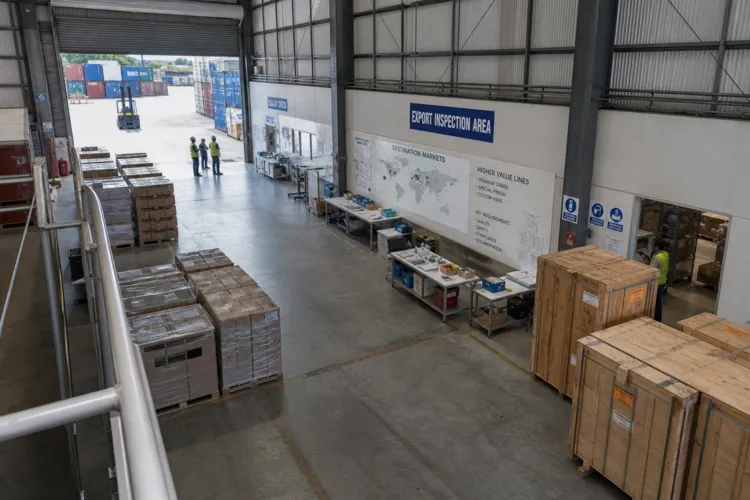
Export readiness and certification interoperability are becoming core levers of growth. HalalFocus reports Indonesia’s halal food exports were valued at USD 42.33 billion in 2023, and notes about USD 13 billion worth of these exports went to OIC countries in 2022. Separately, TowardsFNB cites Indonesia halal product exports of USD 41.4 billion from January to October 2024, with processed halal food at USD 33.61 billion, or 80% of the total. The China-Global South Project adds that Indonesia’s halal authority, BPJPH, accepts certificates from 37 agencies in 16 countries, including China, which can reduce duplicative checks and smooth trade. For companies, that shifts the opportunity toward audit-ready manufacturing, export documentation, and digitally verifiable certification.
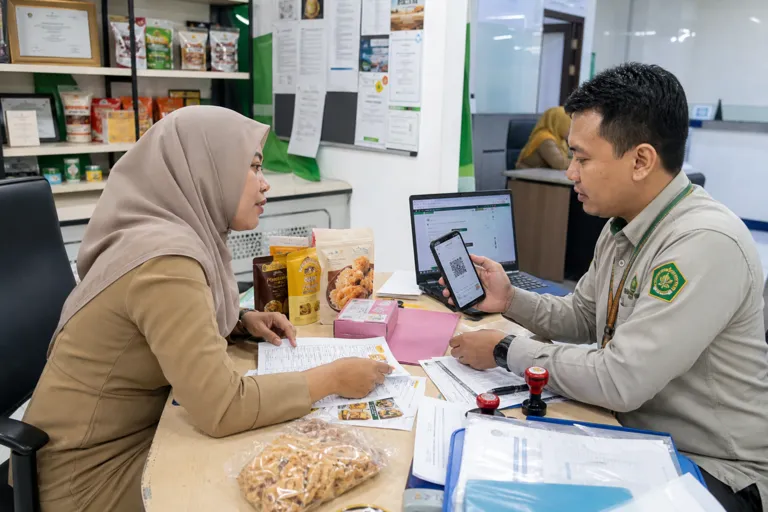
Regulation-linked demand could reshape category winners beyond food. The China-Global South Project reports that by October 2026, all over-the-counter drugs in Indonesia will be required to carry halal certification. That creates an urgent need for robust auditing capacity, standards implementation, and potentially digital certification workflows that can scale. Fitch Solutions also notes there is still no single universally accepted global halal standard, and that countries compete to shape the certification landscape, with Indonesia benefiting from scale and market size. Practically, this means compliance services, traceability systems, and certification operations can become investable growth layers alongside consumer brands.
Indonesia’s opportunity also sits in ecosystem building that connects trade, technology, and partnerships. The China-Global South Project describes Halal Indo 2025 x Industrial Festival in Tangerang drawing 27,000 visitors and 346 exhibitors, with deals totaling USD 450 million. It also reports Indonesia and China agreed to mutual recognition of halal certificates and signed cooperation on industry growth, research, training, and business support. For context, the same source cites China’s domestic halal market at over USD 77 billion in 2024 with projected annual growth of about 10.8% through 2034. For investors assessing Indonesia halal market opportunity, the clearest path is to back businesses that can prove compliance, win shelf space digitally, and ship efficiently into markets where recognition frameworks reduce friction.
What is driving the biggest halal growth opportunity in Indonesia?
How large is Indonesia’s halal market, according to the sources?
What do the sources say about halal exports from Indonesia?
How does OTC drug certification affect the Indonesia halal market opportunity?
How does Indonesia’s certification recognition support international trade?