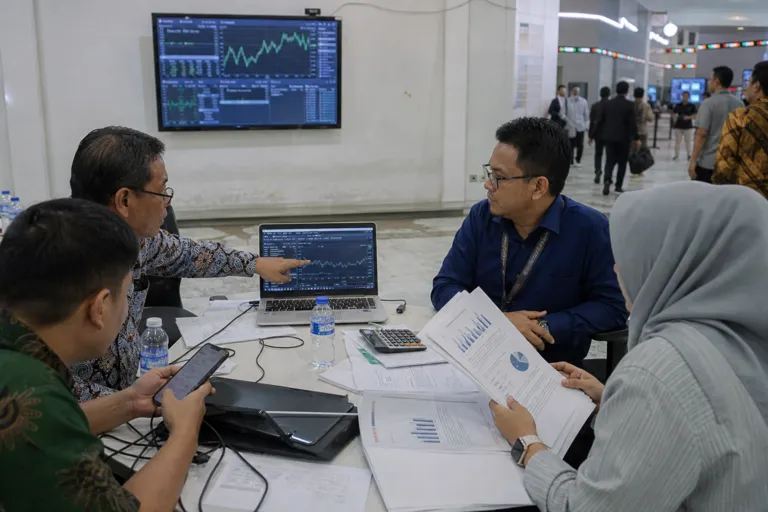
Indonesia’s carbon exchange, IDXCarbon, sits at the center of how companies may plan decarbonization, manage compliance, and communicate credible progress. It is described as Indonesia’s official carbon exchange and is licensed by OJK. Market design is also moving: an international trading session launched on Jan. 20, 2025, with government partners, and in July 2025 IDXCarbon announced achievements and recognition that reflected ongoing market-infrastructure buildout. These steps matter because carbon trading is framed as an instrument to reduce emissions and encourage decarbonization, and the exchange is a practical venue where that ambition can be tested against real demand, real supply, and real corporate participation.
However, the market’s performance signals a difficult ramp-up. An IEEFA analysis reported the average carbon price fell from IDR62,533 (USD4.1) per tonne in 2023 to IDR55,985 (USD3.9) per tonne in December 2024, and there were no transactions recorded in February 2024. The same source said trade value fell to IDR20 billion, alongside a reduced trade volume of 413,764 tCO2e and only three projects listed. A brief surge occurred in October 2024, when trade peaked at IDR13 billion (USD0.9 million), coinciding with the inauguration of President Prabowo Subianto’s administration and following a government plan to establish a Climate Change Management and Carbon Trading Agency (BP3I-TNK). But from March to September 2025, total transaction value fell to IDR1 billion (USD72,621), with a trade volume of 27,613 tCO2e.
Why Export Exposure and MRV Are Becoming Board-Level Issues
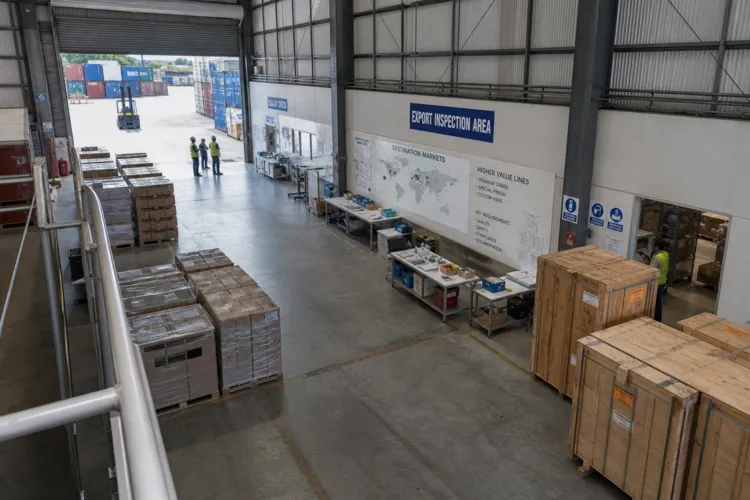
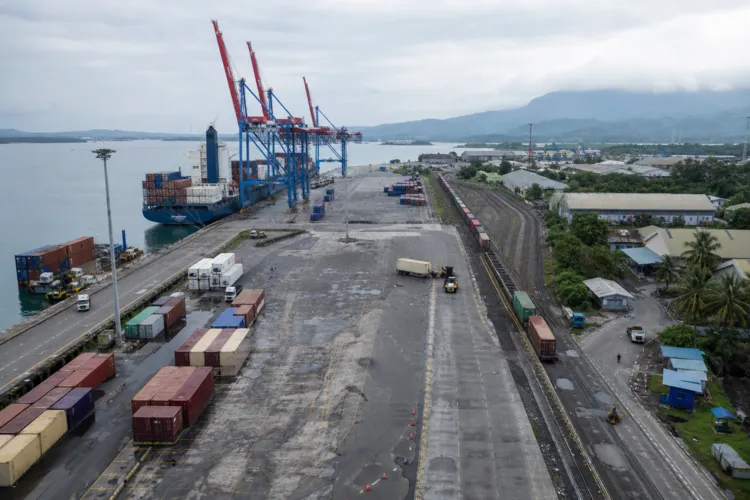
For corporates, the strongest business pressure can come from trade rules rather than domestic sentiment. An IISD brief noted the EU CBAM entered its definitive phase in January 2026 and highlighted that, while economy-wide exposure for Indonesia, the Philippines, and Viet Nam remains below 1%, certain industries face disproportionate risks. The brief stated that nearly 20% of Indonesia’s aluminum exports are destined for the European Union, raising vulnerability to new carbon costs. The same IISD publication said Indonesia is the only Southeast Asian country with an operational ETS, and it examined Regulation 110/2025 in formally enabling international carbon trading under Article 6 and the current state of market activity on IDXCarbon. It also tracked Article 6 bilateral activity, noting Japan and Singapore as the most active purchasing countries.
This raises a practical question for strategy teams: how fast can market plumbing catch up to corporate needs? INDEF GTI and UK PACT convened a national dialogue on Indonesia’s Carbon Market 2026 that focused on the SRUK registry and MRV framework to unlock green investment. INDEF GTI also emphasized that climate and energy policies should be integrated into core development and industrial strategies, with the objective of mobilizing investment, reshaping markets, and driving productivity gains. In parallel, a global market backdrop can influence expectations: one global report valued the carbon credit market at USD 114.3 billion in 2025 and projected 15.9% CAGR for 2026–2035, while also pointing to industrial participation expanding carbon-market supply and demand as sectors such as steel, cement, and aluminum enter national markets.
Even so, unlocking scale is not automatic. A legal-journal article cited a statement made at the inauguration of IDXCarbon that Indonesia’s carbon trading potential through the exchange could reach Rp3,000 trillion, while arguing it has not been optimized due to low transaction frequency and limited participation. Another sign of external support came in December 2025, when EcoSecurities was awarded a UK PACT technical assistance contract to support Indonesia’s voluntary carbon market. For business leaders watching the Indonesia carbon market, the near-term takeaway is disciplined: infrastructure progress and enabling regulation are advancing, but liquidity and project depth remain central to whether carbon trading becomes a routine tool for exporters and heavy industry.
What is IDXCarbon and why does it matter for business?
How did prices and activity change on the exchange from 2023 to 2025?
Why are exporters paying attention to the EU CBAM in 2026?
What policies are linked to international carbon trading via IDXCarbon?
What market-building priorities are being discussed for Indonesia’s carbon trading system?