Indonesia’s pharmaceutical sector has moved from a fragmented base of local producers into a strategic industry tied to healthcare reform, industrial policy, and global supply chains. A key turning point was the launch of BPJS Kesehatan in 2014, which increased demand for affordable, quality medicines. Skylight describes the market as the largest in ASEAN, with a value projected to reach USD 11 billion in 2025 and representing about 35% of the region’s pharmaceutical expenditure. The same source notes Indonesia’s population is projected to reach 280.5 million in 2025, supporting strong domestic demand that blends public procurement with private consumption growth in OTC health products, supplements, and wellness offerings.
Several structural demand drivers reinforce this trajectory. Skylight reports GDP expanded by 5.12% year-on-year in Q2 2025, with per capita income at USD 5,800 nominal (USD 20,400 PPP). It also puts healthcare spending at USD 46 billion in 2024, projected to rise to USD 58.1 billion by 2030. Demographics add pressure: the 60+ age group is growing by 3.3% annually, and urbanization is set to rise from 57% in 2025 to 65% by 2035. These shifts are linked to rising needs in cardiovascular, oncology, and anti-diabetic therapies, and to increased appetite for premium OTC products and e-health services.
Localization and the API Gap: Where the Value Chain Still Breaks
Localization is most visible in the push to strengthen active pharmaceutical ingredient (API) capabilities, because import dependence remains a recurring theme. KenResearch explicitly flags “dependence on imports for API procurement” as a market challenge. At the same time, APIs are growing as a distinct market in their own right. Grand View Research estimates Indonesia’s API market generated USD 1,298.4 million in 2023 and is expected to reach USD 2,115.9 million by 2030, implying a 7.2% CAGR from 2024 to 2030. Both Grand View Research and KenResearch describe synthetic APIs as the largest segment in 2023, while Grand View Research adds that biotech is the fastest-growing synthesis segment during the forecast period.
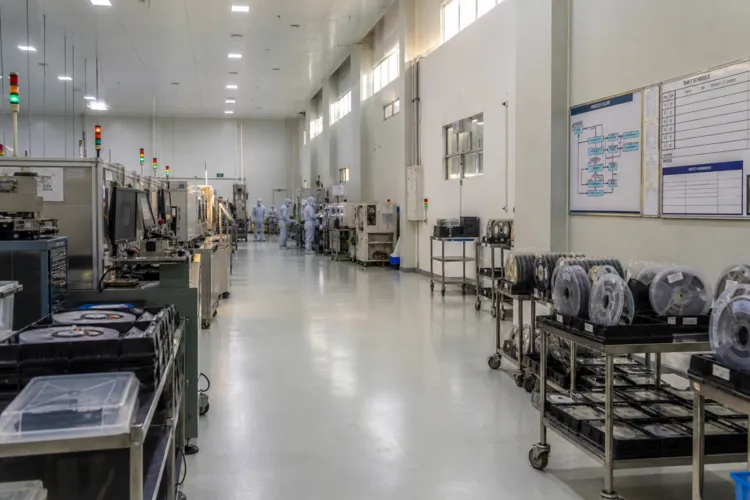
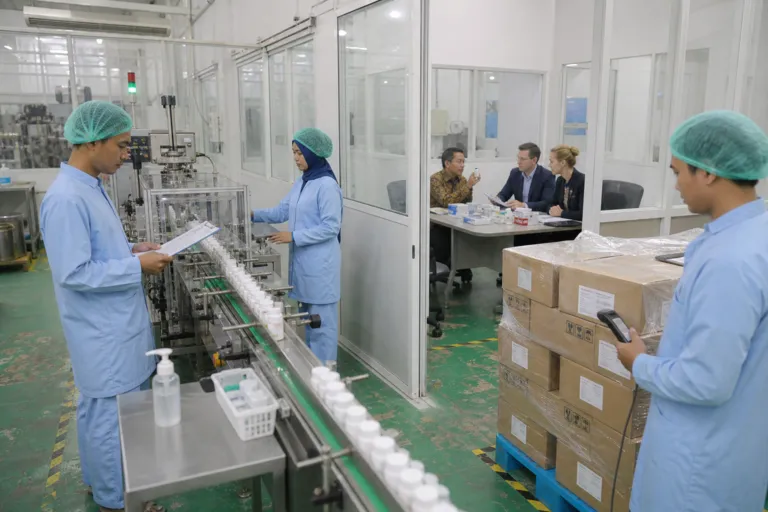
Import reliance is not limited to ingredients. IndexBox says the core capability of the local industry is efficient secondary manufacturing, including blending, tableting, coating, and packaging of generic molecules. It also states that advanced formulations such as complex injectables, controlled-release products, and biologics remain largely imported in finished form. That creates a clear localization frontier: moving from secondary manufacturing strength into more complex dosage forms and higher-end products. In parallel, KenResearch’s API segmentation notes regional concentration, with West Indonesia leading in 2023 due to infrastructure, company concentration, and access to R&D facilities, and it links this to government investment in healthcare infrastructure in Java.
Foreign ownership and participation sit within this broader transition rather than outside it. KenResearch highlights “growing investment from foreign companies,” alongside increased mergers and acquisitions activity, suggesting that market entry is often pursued through partnerships, acquisitions, and local operating footprints. However, companies still have to plan around friction points shaped by the national insurance environment. IndexBox emphasizes that the pace and structure of the National Health Insurance (JKN) expansion and benefit package definition will heavily influence volume and pricing for a large segment of the population. This makes localization strategies, market access design, and partnership selection central to competing effectively in the Indonesia pharmaceutical industry.
What is driving demand growth in Indonesia’s pharma market?
How large is Indonesia’s pharmaceutical market expected to be in 2025?
How big is the active pharmaceutical ingredient market in Indonesia?
Where does Indonesia still rely on imports in pharmaceuticals?
What does foreign participation look like in Indonesia’s pharmaceutical industry?