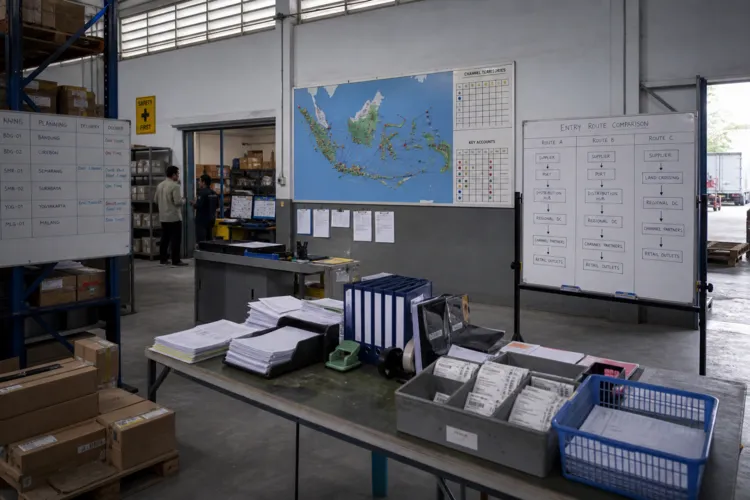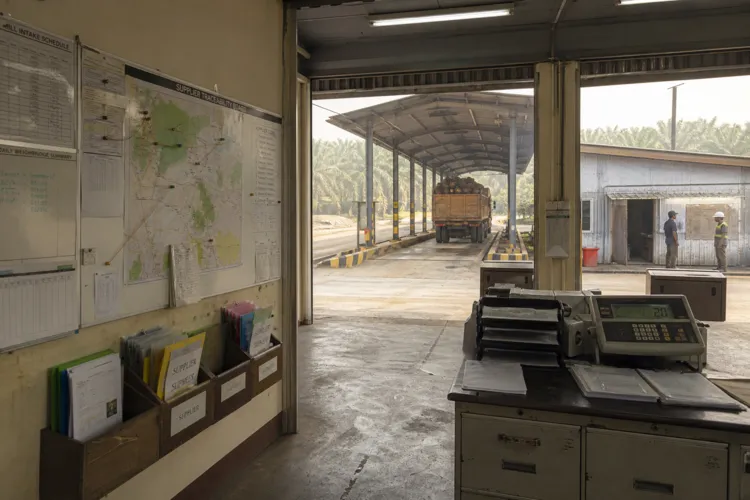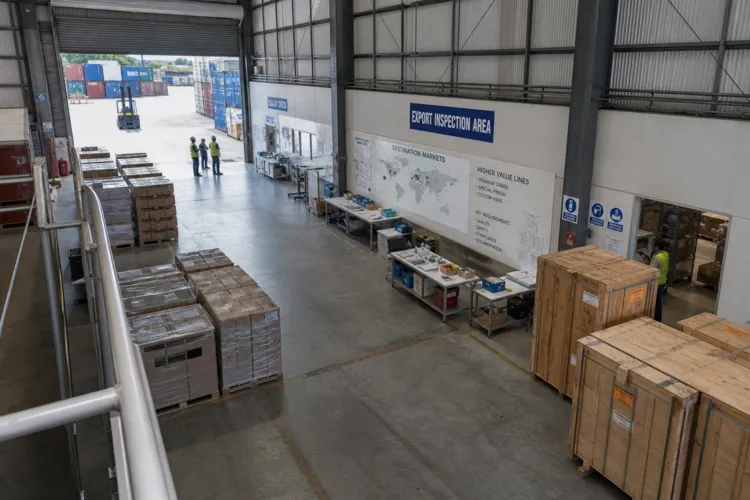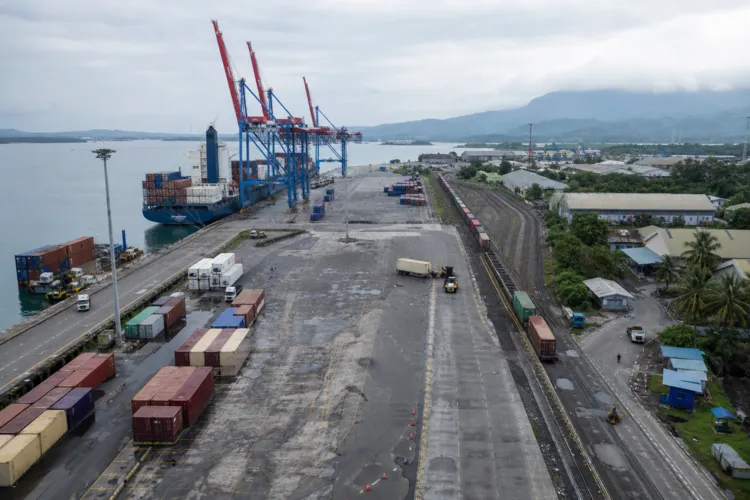

A structured Indonesia business risk assessment starts by separating what can disrupt market entry from what can disrupt daily execution. On regulation, one widely used benchmark flags friction: the World Bank’s Ease of Doing Business Index ranks Indonesia 73rd out of 190 countries, with challenges linked to lengthy permit processes and inconsistent enforcement of regulations. Those issues can slow timelines and raise compliance costs, especially when approvals, inspections, or documentation requirements vary by authority or change during implementation. For investors, this often turns into a practical sequencing problem: building permitting and compliance time into project plans, and creating internal controls that are robust enough to handle uneven enforcement without stalling operations.
Political and policy risk is best handled through forward-looking monitoring rather than one-off assessments. Economist Intelligence Unit (EIU) Country Analysis is released monthly and focuses on macroeconomic, political, and policy views and assumptions, including key risk scenarios to central forecasts. The same service also provides event-driven analysis spanning politics, economics, and market-moving trends across around 200 countries and 26 industry subsectors, plus a forward-looking assessment of the attractiveness of doing business in 82 countries. For internal risk committees, that mix supports a repeatable cadence: track policy signals, map them to revenue and cost drivers, and update downside scenarios when events change the operating environment.
Operational Risk: Turn Uncertainty Into Measurable Categories
Operational risk is easier to manage when it is scored consistently across the same set of drivers. EIU’s Operational Risk service evaluates countries based on overall operating risk and generates scores quarterly across ten key operational risk categories and 70 subcategories. It also enables teams to create a risk matrix by selecting countries, categories, industry subsectors, and time frames to forecast against. This structure helps multinational operators compare Indonesia with peers on the same dimensions, while also documenting the assumptions behind each score. EIU also highlights contextual global and regional risks beyond a central forecast and assesses the probability, impact, and intensity of potential developments that might substantially change the business operating environment in the next two years.
Financial and external shock sensitivity can sit outside core operational controls, so it needs its own framework. EIU’s Financial Risk offering uses a risk-modelling approach to identify risks to fiscal sustainability, currency, and the banking sector posed by political and economic developments across 131 markets. It also provides a two-year forecast of the political, economic, and external payments situation, alongside forecasts and back series for macroeconomic data relevant to financial risk assessment. Separately, Fitch Solutions notes that the US-Iran conflict will exacerbate existing depreciatory pressures on the rupiah and expects the Bank to keep rates on hold throughout 2026, while warning that rising risks of a more prolonged or escalatory conflict tilt rate-forecast risks to the upside.
Finally, compliance risk increasingly extends beyond domestic rules into trade, standards, and sector-specific requirements. Fitch Solutions observes that the global halal economy has grown into a major international trade and regulatory system, but there is still no single universally accepted global halal standard, which can complicate product and documentation strategies across markets. It also expects the EU’s Anti-Deforestation Regulation to be weakened slightly further in 2026 as political appetite for strict enforcement declines, though it forecasts a limited impact on nature risk and a modest competitiveness risk for early compliance movers. In practice, risk owners can treat these as “moving-target” obligations: monitor standard-setting, align documentation early where it is material, and avoid over-investing in requirements that are still in flux.
What is the main regulatory signal to include in an Indonesia business risk assessment?
How can companies structure operational risk tracking for Indonesia?
Which tools support ongoing monitoring of political and policy risks?
What external factor could affect Indonesia’s currency and rate outlook in 2026, according to the sources?
Why do halal and deforestation rules matter for operational compliance planning?