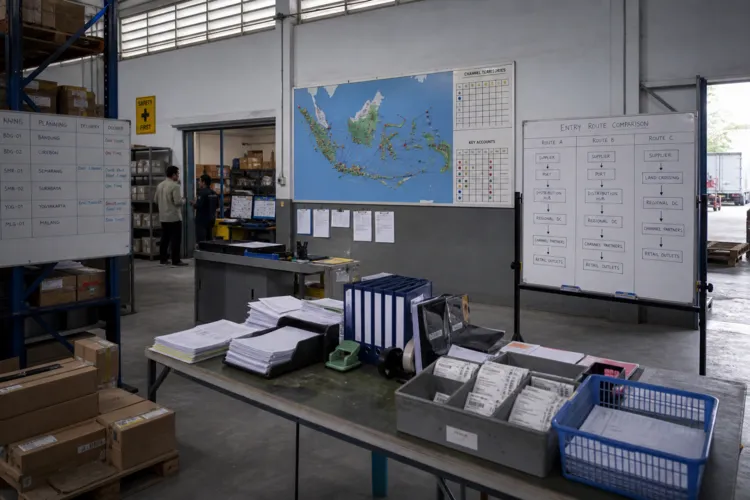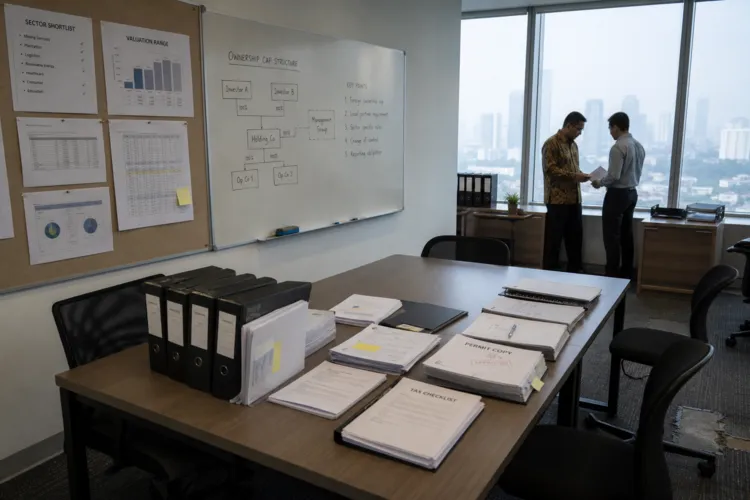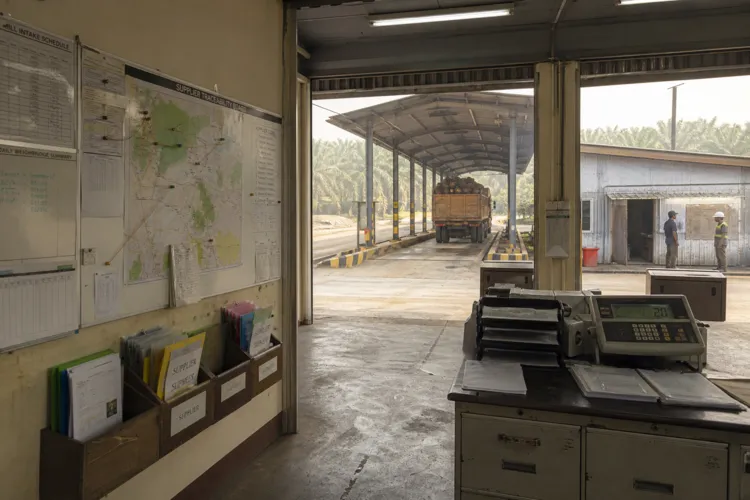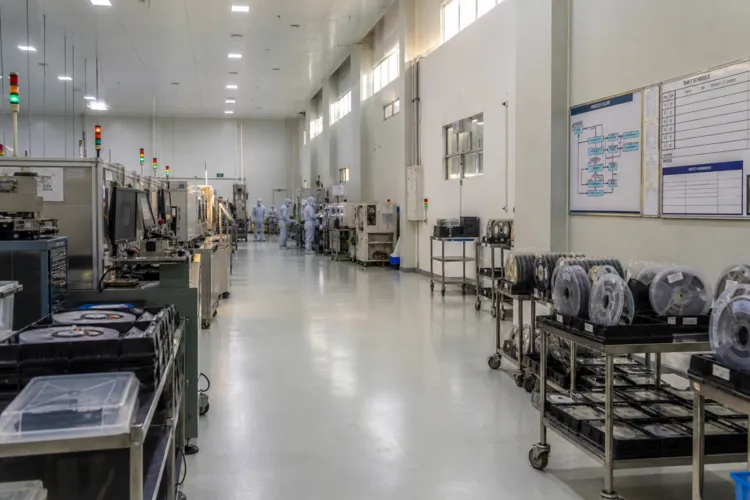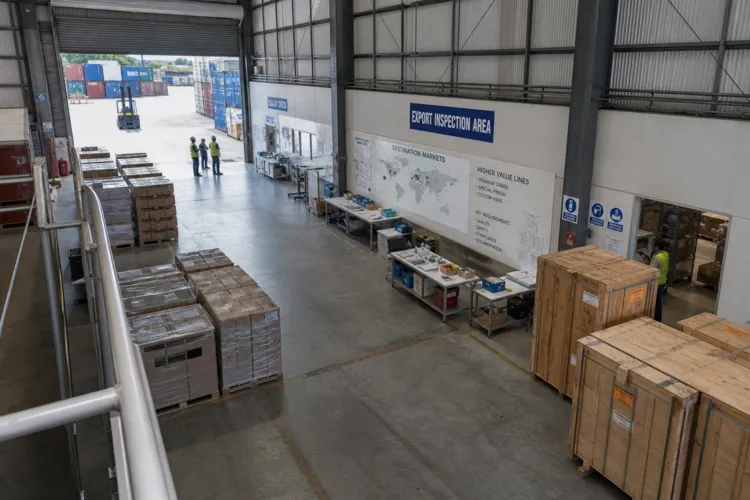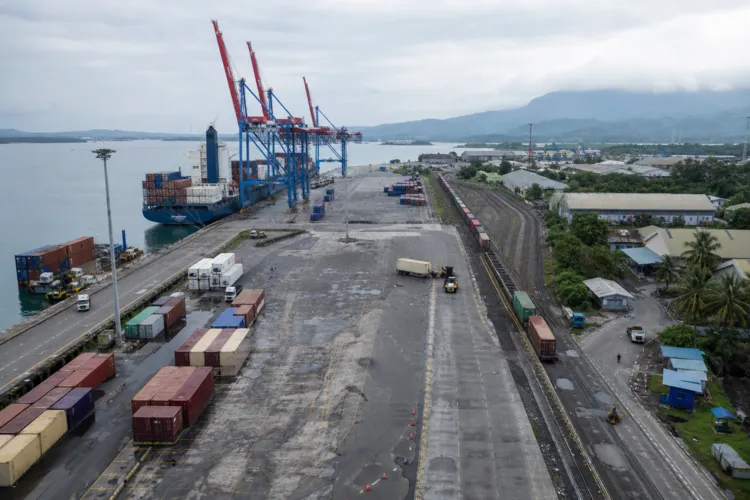
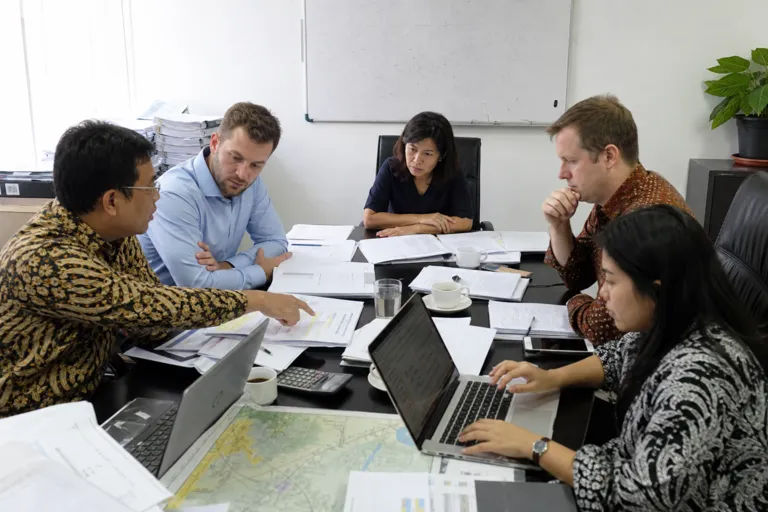
Commercial due diligence in Indonesia is not a box-ticking exercise. Sources describe due diligence as a crucial step before entering a business relationship, acquiring a company, investing, merging, or forming a joint venture. The aim is practical. You reduce legal and financial risks. You validate the integrity of business operations. You check compliance with Indonesian laws and investment regulations. You also build confidence for stakeholders and partners. In practice, commercial work should connect the numbers to reality by testing the business model, key activities, supplier and customer contracts, ownership of assets and inventory, and even IT systems and supply chain structure.
Start with a structured checklist that reflects Indonesian realities. On the corporate side, sources recommend checking company registration certificates, business licenses and permits, and compliance with foreign ownership rules where relevant, including whether the business is listed correctly in the OSS and AHU systems. Financial review should include audited financial statements from the last 3–5 years, tax filings and payments to confirm tax compliance, and any outstanding debts or liabilities, supported by bank statements and loan documents. Reputation checks matter, too. Public records, news sources, and court databases can reveal past or ongoing lawsuits, media coverage or complaints, and any regulatory penalties or warnings that could affect the investment story.
Where Deals Break: Local Risk Drivers You Must Test
Several sources stress that a standard template can miss material issues in Indonesia. The business environment is described as shaped by regulatory complexity, documentation standards, governance gaps, and cultural dynamics, alongside a civil law system with Dutch legal heritage and the Omnibus Law of 2020. Foreign buyers may underestimate these differences and rely on advisors without deep local knowledge, which can leave land titles, undisclosed liabilities, and employment obligations to surface only after signing. For mid-market acquisitions, one source notes that a well-structured due diligence process typically takes 6–12 weeks from data room access to completion reports, and that the quality of the local advisory team is the single most important factor in identifying material risks before closing.
Commercial risk also sits inside governance and compliance. One source emphasizes that investors should conduct due diligence to minimize risks of noncompliance with anti-bribery and corruption regulations and to ensure good corporate governance. In M&A, licensing, reporting, governance, and control structure issues require close monitoring. Due diligence should include all relevant licenses for primary and secondary business activities, and extend into environmental aspects, including required environmental licenses, permits, and reporting obligations. It also covers compliance with reporting obligations associated with licenses and activities, including documentation such as the Investment Activity Report (Laporan Kegiatan Penanaman Modal, or LKPM). HR checks support the commercial view by testing employee contracts and labor rights, payroll systems, BPJS compliance, and any unions or past labor disputes.
Indonesia-specific verification becomes even more critical when land or property is part of the investment thesis. Sources warn of overlapping land claims, invalid or outdated certificates, improper zoning use, buildings constructed without permits, outstanding land and building taxes, and illegal nominee structures. A property due diligence roadmap highlights title authenticity as a priority, overseen by the National Land Agency under the Ministry of Agrarian Affairs and Spatial Planning, and stresses official cross-checks at the local land office rather than relying on copies. It also describes zoning and spatial plan compliance under RDTR, which regulates uses such as residential, commercial, tourism, industrial, and mixed-use corridors, and notes that in major cities like Jakarta, zoning enforcement is increasingly strict for commercial and hospitality projects.
Real-world failures underline why targeted diligence matters even in high-profile venture stories. One source recounts that at the end of 2024 a whistleblower revealed eFishery, once valued over USD 1.4 billion, had falsified financial statements, including revenue and profit figures, dating back to at least 2018. The same source says the company raised USD 315 million between 2018 and 2024, and investigations indicated investors may only recover less than 10% of their investments. The lesson for commercial due diligence Indonesia work is clear: collect comprehensive data, analyze it carefully, and use discreet investigations, desktop research, industry interviews, and site visits where needed to understand the true nature and value drivers of the target before you invest.
What does commercial due diligence in Indonesia typically cover?
How long can a mid-market due diligence process take in Indonesia?
Which reporting and compliance items are commonly checked in Indonesian M&A?
What property-specific risks should investors verify in Indonesia?
What do recent startup scandals suggest about diligence depth in Indonesia?