Indonesia’s medical travel story is shaped by a clear imbalance: Indonesians continue to spend heavily for treatment abroad while the country works to build a stronger domestic alternative. One stated policy intent is to reduce an annual outflow of approximately 150 trillion rupiahs (around USD 9.2 billion) spent by Indonesians seeking treatment overseas. That outflow is a demand signal. It suggests patients are willing to pay for perceived quality, convenience, and trust. The strategic question is whether Indonesia can convert more of that spend into domestic hospital bills, local recovery stays, and longer wellness itineraries.
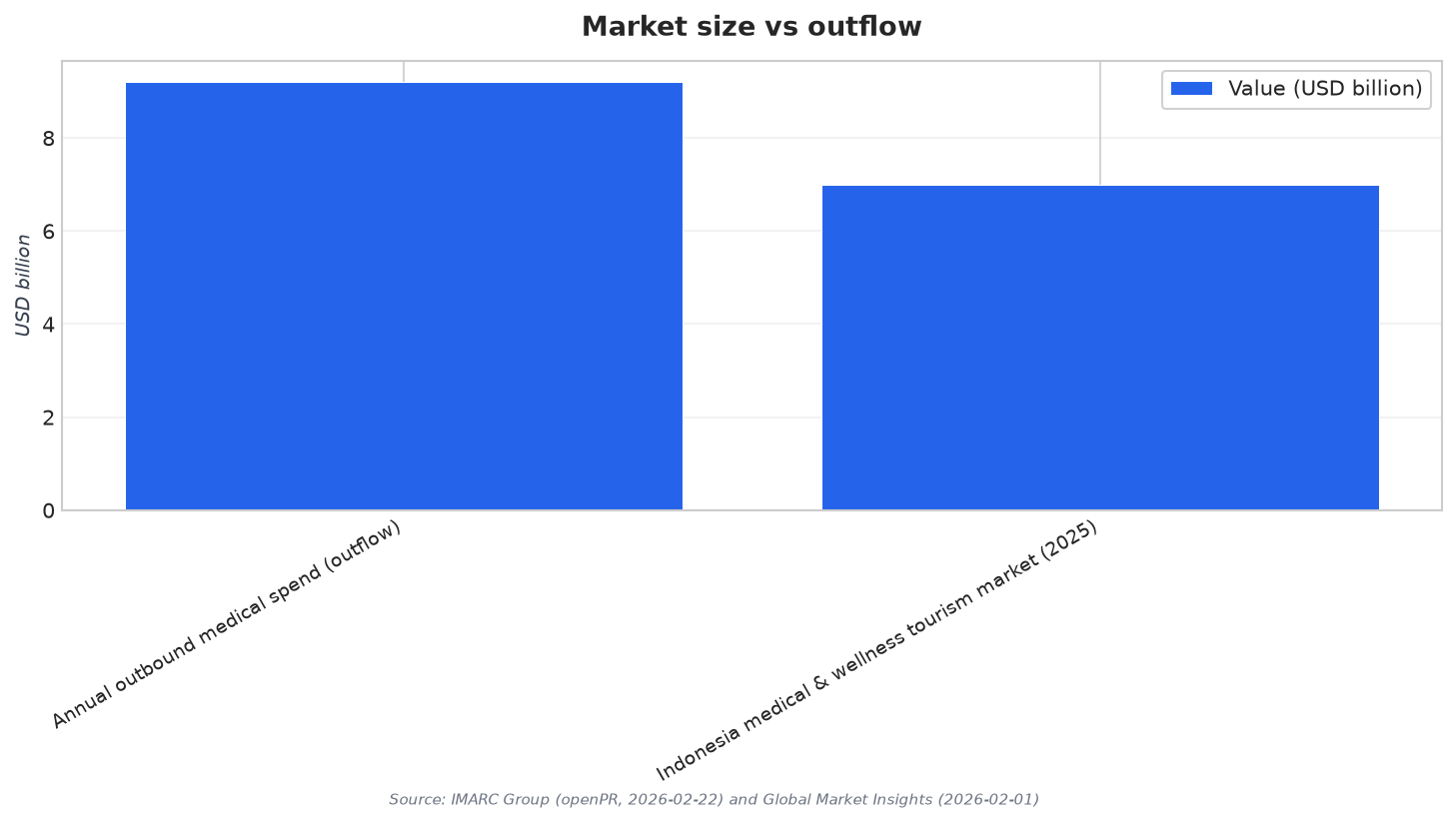
Industry forecasts highlight why the opportunity is being pursued with urgency. IMARC Group’s press release projects the Indonesia medical tourism market reaching USD 9.68 billion by 2034, with a stated 18.76% CAGR. Separately, Global Market Insights estimates Indonesia’s medical and wellness tourism market at USD 7 billion in 2025 and expects 11.3% CAGR from 2026 to 2035. While these are different estimates from different sources, both point in the same direction: the country is positioning medical, wellness, and travel as a combined economic lane, not a niche service line.
Sanur SEZ: A Domestic Hub Built to Compete
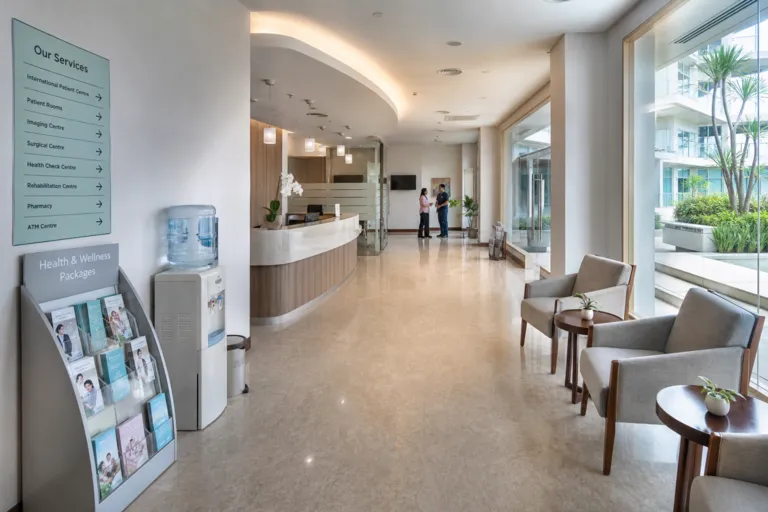
A concrete step is the medical tourism special economic zone (SEZ) inaugurated in June 2025 in Sanur, Bali. IMARC describes it as an integrated complex with an international hospital, specialist clinics, medical research centers, and a medicinal garden with over 380 plant species. The stated aims are explicit: strengthen domestic healthcare service quality, reduce the outbound treatment outflow, and position Bali as a global health and wellness destination. If the patient experience is reliable end to end, this type of cluster can also help Indonesia sell “care plus recovery” in one location.
Demand capture also depends on how Indonesia packages and markets services. Global Market Insights notes partnerships that offer bundled packages covering medical procedures, accommodation, transportation, and recovery experiences. It also describes operators differentiating through holistic programs that combine traditional Indonesian healing, detox therapies, yoga, meditation, nutrition planning, and nature-driven recovery. This is where Bali, Lombok, and Yogyakarta can support the positioning, as the source highlights them as anchors for wellness retreats and mindfulness programs. The play is not only clinical; it is also about the full journey patients and companions will book.
Digital access and service breadth are another lever for competitiveness. Nexdigm segments Indonesia’s medical tourism into health, dental, cosmetic surgery, maternity, and wellness tourism, and it says health tourism leads due to demand for comprehensive packages such as cardiovascular treatments, orthopedic surgery, and cancer treatment. Nexdigm also notes online platforms dominating booking and consultation behavior, supported by websites and mobile apps. Yet outbound pull remains visible: IMARC cites a May 2025 partnership where JCB International and Noage International offered advanced medical checkups in Japan for affluent Indonesians. For Indonesia to reverse the flow, it must win trust, simplify planning, and keep raising perceived quality.
How big is the annual outbound treatment spend Indonesia is trying to reduce?
What is the Sanur medical tourism SEZ designed to include?
How large could the Indonesia medical tourism market become, according to IMARC?
What services are highlighted as key segments in Indonesia’s medical tourism offering?
What tactics can help Indonesia capture more domestic medical travel demand?