Indonesia’s raw-material export controls have shifted from a sector tool into a cross-commodity supply-chain risk that downstream buyers must continuously price in. A CEPR review of export restrictions notes that Indonesia was the world’s largest exporter of nickel ore and bauxite before the 2014 ban, and that analysts called those restrictions “the biggest supply risk facing base metals in a long time, particularly nickel and aluminium” (Financial Times 2014, via CEPR). A separate policy study frames the modern program as a paradigm shift: export bans are used to mandate domestic processing investment, moving Indonesia from a raw-material exporter toward higher value-added exports.
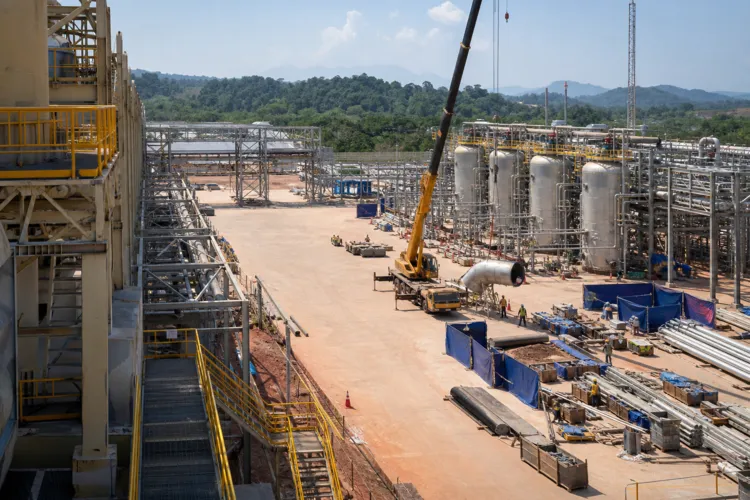
The risk is not limited to metals. One report describes an aggressive downstreaming approach that bans exports of unprocessed nickel ore, crude palm oil, and raw bauxite, aiming to force local value-added processing and attract foreign capital into smelters, refineries, and industrial parks. That same report states Indonesia is trying to control processed commodity flows rather than raw extraction, drawing comparisons to an OPEC-style posture for critical minerals. For buyers, this changes negotiation leverage and delivery assumptions, because policy can target the form of the product, not just the volume.
Risk Map for Buyers and Traders: Scope, Pricing, and Market Structure
Start with scope risk: policy expansion is explicit in the literature. A study on Indonesia’s downstream strategy states the ban on bauxite exports took effect in May 2023 and mentions a planned ban on copper, tin, and other strategic commodities scheduled to be phased in. That matters because buyers can be exposed indirectly through linked supply chains, such as electric vehicle battery, steel, and aluminum supply chains that the same study highlights. At the global level, the CEPR column cites OECD (2025): among 80 countries covering 97% of world mineral and metal production, export restrictions increased fivefold from 2009 to 2023, and 34 countries applied full export bans on at least one industrial raw material by 2023.
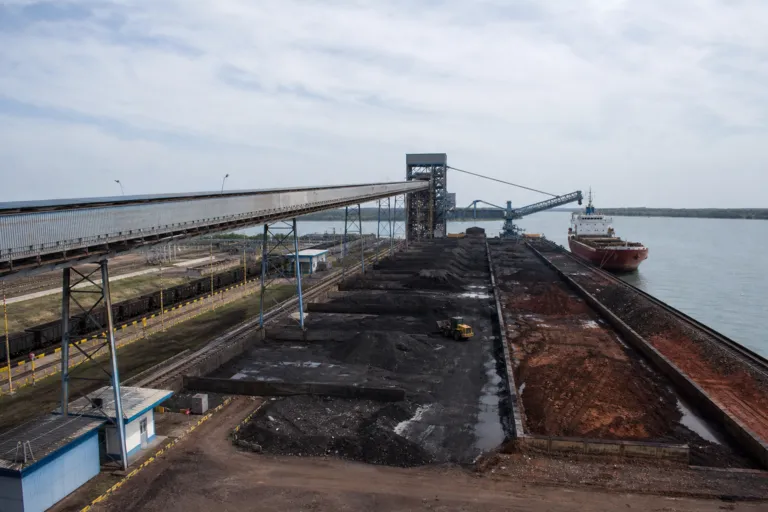
Next is price and benchmark risk, especially where Indonesian products are reference grades. An assessment of Indonesia’s commodity export control plan warns that for Asian coal benchmark pricing, Indonesian thermal coal grades serve as important reference points for procurement across Japan, South Korea, and India. It adds that any systematic divergence between state enterprise (BUMN)-quoted prices and underlying supply-demand conditions would have region-wide consequences, and that disruptions to Indonesian ferroalloy flows could compound effects amid shifting steel market dynamics across Asia. The same source calls policy ambiguity itself a material risk factor, and notes Moody’s Ratings classified the plan as credit negative for mining operators with Indonesian exposure.
Finally, downstream buyers should map execution and market-structure risk inside Indonesia’s processing buildout. A March 2026 policy insight cites Indonesia’s total exports at US$259.53 billion in 2023 (BPS, 2026b) and states ferronickel and nickel alloy exports were around US$15 billion in 2023 and US$14 billion in 2024, roughly equivalent to 5% of total exports. It also reports Indonesia’s trade surpluses at US$32 billion in 2024 and US$41 billion (as cited in the document). The same study highlights challenges from market distortions and oligopsony in the nickel industry, and warns about vulnerability when prices fall, noting nickel prices had plummeted to around half their 2022 peak due to oversupply.
What is driving Indonesia’s raw material export restrictions?
Which commodities are described as being affected or targeted by Indonesia’s export bans and controls?
Why do coal buyers in Asia watch Indonesia’s export control plan closely?
How significant are ferronickel and nickel alloy exports in Indonesia’s trade picture?