
Indonesia’s petrochemical supply chain is being pushed to evolve under two pressures at once. One is structural import reliance in key resins. Skylight notes that over 40% of PE and 50% of PP are still sourced from imports, even as petrochemicals support packaging, automotive, construction, electronics, and agriculture. The second pressure is feedstock and logistics volatility. CRIF Asia points to heightened uncertainty in 2026 as tensions in the Middle East lift crude-oil volatility and intermittently disrupt naphtha and LPG flows through the Strait of Hormuz, a route that handles about one-fifth of global seaborne crude. For Indonesian producers and converters, that combination makes domestic capacity additions and tighter feedstock security more than a growth story.
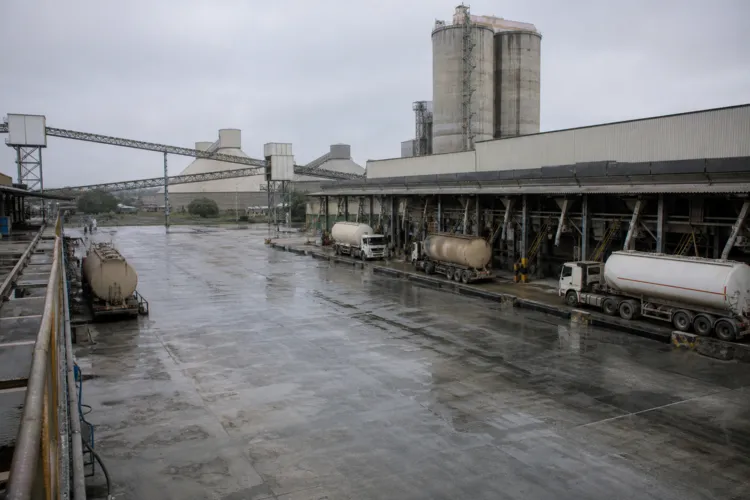
A central development is the start-up of new cracking capacity after a long gap. Skylight’s plastics insight report, citing Reuters, says Lotte Chemical Indonesia inaugurated a large petrochemical complex in late 2025 and that it is Indonesia’s first new naphtha cracker in about 30 years, expected to materially reduce ethylene import dependence. CRIF Asia also states that Lotte Chemical Indonesia’s US$3.9 billion LINE complex begins commercial operations, alongside progress at Chandra Asri on downstream EDC development. Together, these moves target the intermediates that sit between imported feedstocks and domestic manufacturing, which is where supply disruptions and price volatility often hit hardest.
Feedstock Policy and Integration Are Becoming the Deciding Factors
Projects alone do not guarantee lower imports if feedstock allocation and integration remain weak. MarkWide Research describes Ministry of Industry downstreaming provisions under the National Industrial Policy that restrict raw naphtha and natural gas exports to secure feedstock for domestic chemical value chains, with volumes redirected toward integrated complexes in Cilegon and Gresik. The same source highlights that Java’s industrial corridor concentrates demand and shows the lowest price elasticity as integrated petrochemical complexes absorb captive volumes. It also flags logistics penalties elsewhere: Sulawesi buyers face 15–25% delivered cost premiums versus Java benchmarks due to infrastructure gaps. In this environment, policy execution, logistics, and plant-level integration determine whether new crackers translate into reliable domestic resin and intermediate supply.
Competitive structure shapes how quickly benefits can flow downstream. Skylight’s competitive landscape report says PT Chandra Asri Petrochemical is the only domestic producer with an integrated naphtha cracker, underscoring the limited base Indonesia starts from. Skylight’s plastics report adds that Chandra Asri describes itself as Indonesia’s largest integrated petrochemical company and states it produces 4.2 million tons per year of chemical products across its broader platform. The report also notes group-level forward positioning that pointed to 4.7 MTPA downstream chemical complex capacity and 2 MTPA cracker capacity in its broader expansion narrative. While upstream capacity is concentrated, many downstream firms remain margin-sensitive and dependent on resin availability and price, so consistent offtake and pricing stability matter as much as nameplate expansions.
Indonesia is also tying petrochemicals to larger downstream and energy-security investments. Expert Market Research reports that in March 2025 Indonesia announced plans to construct a 500,000 b/d oil refinery costing about USD 12.5 billion, processing domestic and imported crude, with a stated aim that includes producing petrochemical intermediates needed for plastics and industrial materials and reducing dependence on imported petrochemical products. Separately, DMA Intelligence values the Indonesia oil and gas downstream market at USD 85.50 billion in 2025, estimates USD 90.2 billion in 2026, and forecasts USD 131.2 billion by 2033, implying a 5.5% CAGR from 2026–2033. For the Indonesia petrochemical industry, the strategic signal is clear: the import gap is being tackled through a mix of new crackers, downstream intermediates, and integration-oriented policy.
What import reliance is Indonesia still facing in key plastics resins?
Why is Lotte Chemical Indonesia’s new cracker considered a structural event?
How is feedstock policy being used to support domestic petrochemicals?
What logistics cost gap does MarkWide Research highlight within Indonesia?
What major investment signals momentum in the Indonesia petrochemical industry?